
HEFT Vehicle Programs
Turning Donated Vehicles into Learning Assets
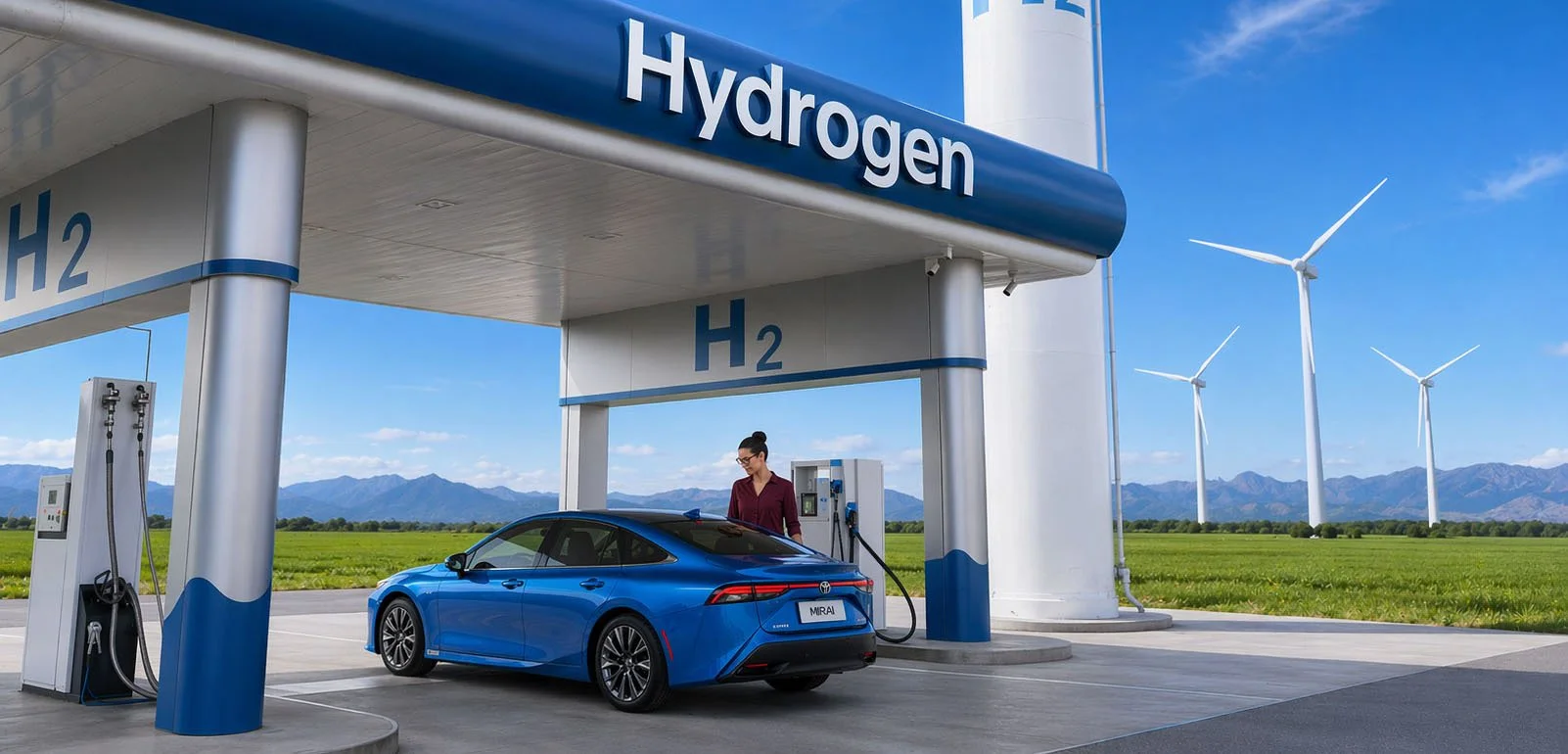
HEFT accepts donated vehicles and related transportation assets and uses them to support education, workforce readiness, clean transportation demonstration, and public benefit.
Through this program, vehicles can become classroom learning tools, workforce training assets, public-benefit placements, demonstration platforms, or sources of support for HEFT’s mission.
Real Vehicles Help People Ask Better Questions
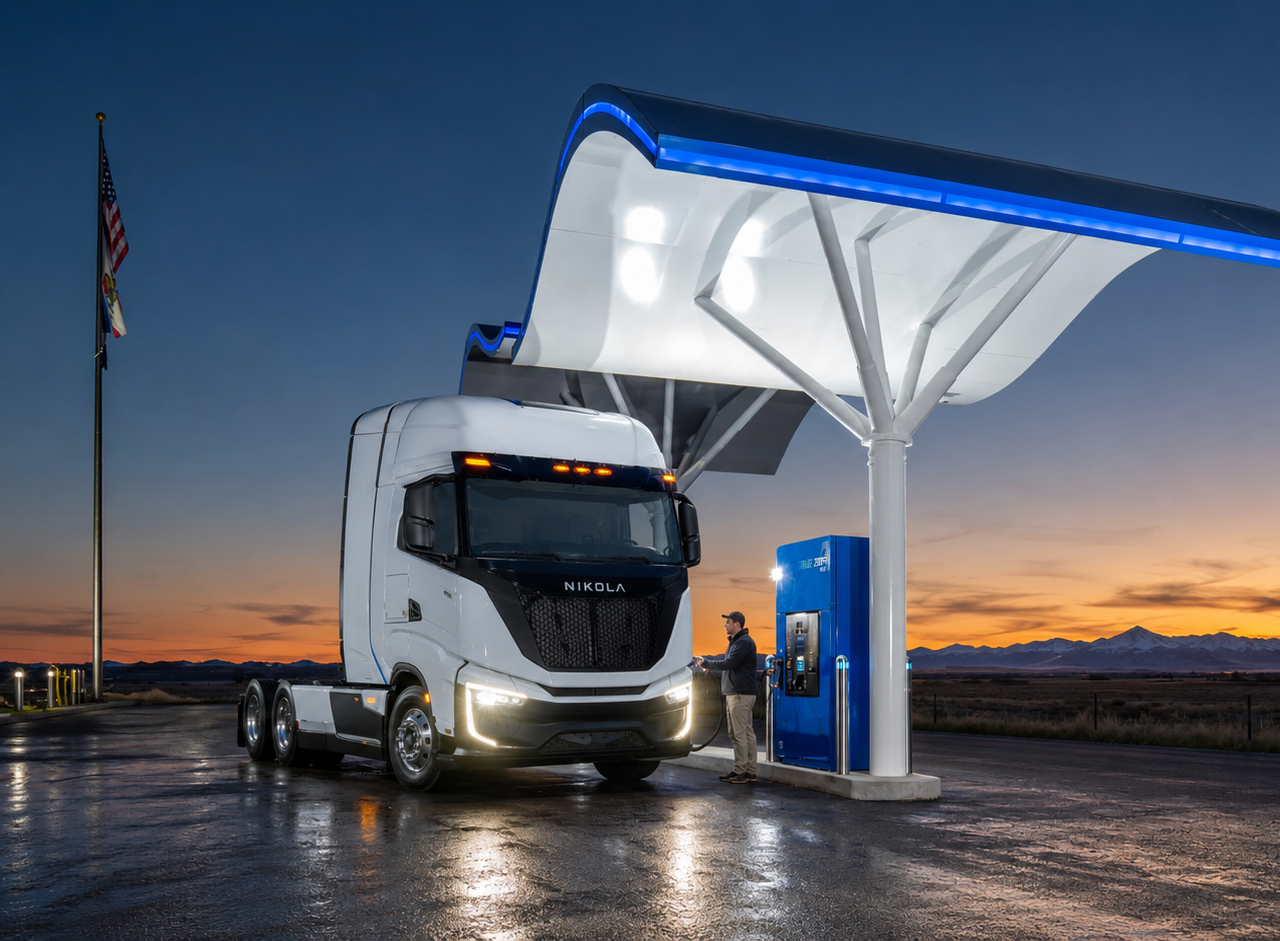
Clean transportation can be difficult to understand from a distance. A real vehicle gives students, instructors, fleet partners, public agencies, donors, and community members something to see, examine, question, and discuss.
HEFT’s vehicle program helps make emerging transportation technologies more tangible. The goal is not simply to move a vehicle from one owner to another. The goal is to help turn that vehicle into a useful learning asset.
Depending on the vehicle and the placement, HEFT may support educational materials, presentations, demonstration planning, partner coordination, public-benefit framing, storytelling, or future case studies.
Vehicles Can Support Learning in Different Ways
-

Education
Vehicles can help students, educators, and communities understand hydrogen, electric drivetrains, charging, fueling, emissions, infrastructure, and clean transportation tradeoffs in practical terms.
-

Workforce Readiness
Vehicles can give students, technicians, instructors, drivers, fleet staff, and future workers more exposure to technologies they may encounter in the field.
-

Demonstration
Vehicles can make hydrogen and clean transportation more visible and understandable by showing how emerging technologies work in practical settings and helping people compare real-world benefits, tradeoffs, and use cases.
-

Public Benefit
Vehicles can support schools, nonprofits, public agencies, workforce programs, public-service organizations, and other partners whose use of vehicles advances education, training, demonstration, or community benefit.
Donated Vehicle Priorities
What Types of Vehicles Does HEFT Need?
HEFT can accept many types of donated vehicles through its vehicle donation program. Our highest-priority donations are vehicles and assets that can directly support hydrogen and clean transportation learning.
HEFT’s vehicle donation priorities are:
Hydrogen fuel cell electric vehicles
Other zero-emission vehicles
Hybrid vehicles
Any other donated vehicles! Any vehicle can support HEFT through auction.
Vehicles that are not a fit for direct education, workforce readiness, demonstration, or public-benefit placement may be sold through HEFT’s vehicle donation partner, with proceeds supporting HEFT’s charitable work.
Have a Vehicle to Donate?
Your vehicle may help students, educators, technicians, fleet partners, and communities better understand clean transportation.
HEFT welcomes conversations with vehicle owners, manufacturers, dealerships, fleets, companies, and individuals who may have vehicles or related assets that could serve a public-benefit purpose.
How Vehicle Placement Works
Matching Vehicles with Public-Benefit Uses
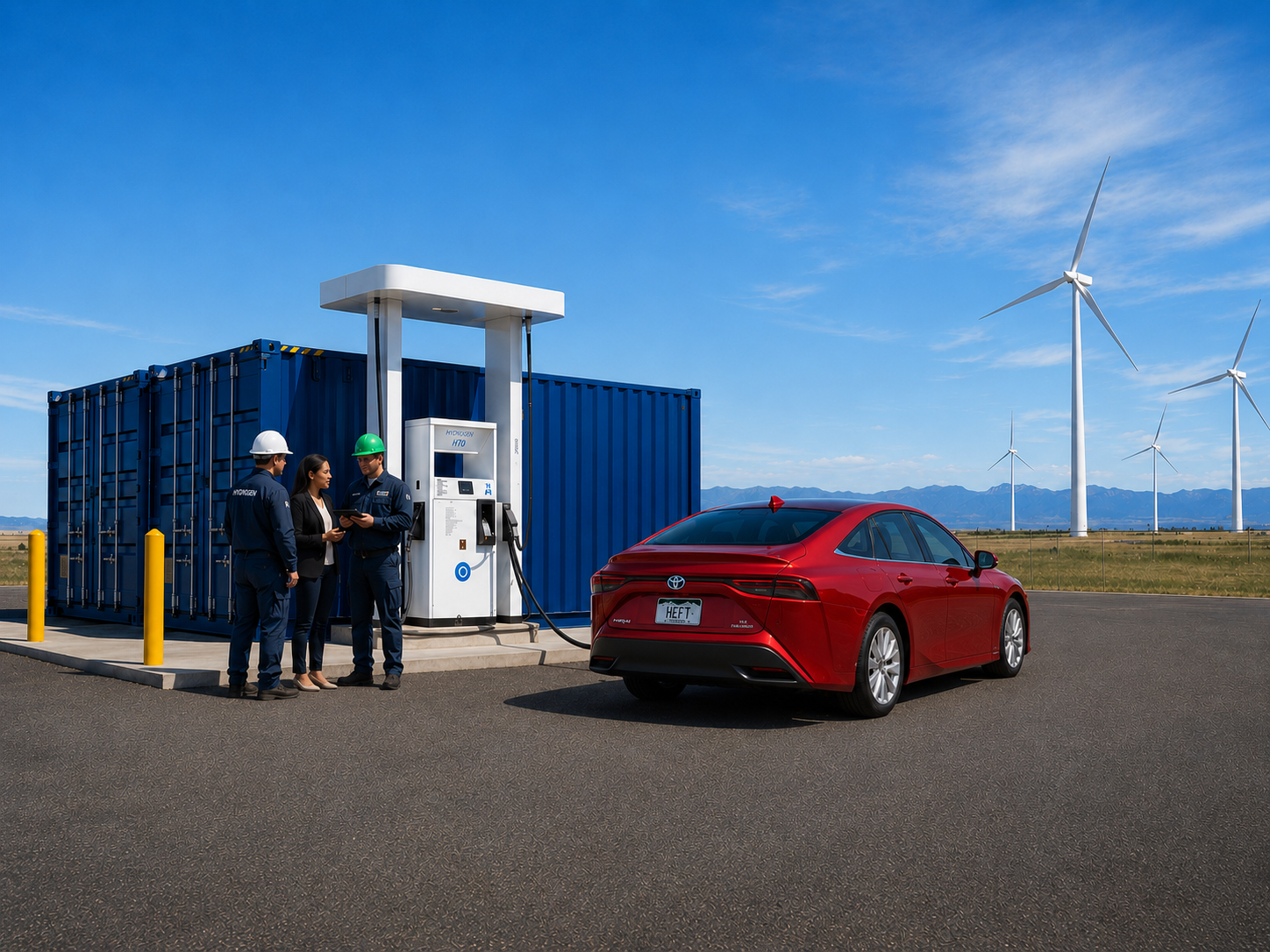
HEFT evaluates potential vehicle placements based on mission fit, public benefit, safety, operational readiness, and educational value.
A vehicle may be placed with an organization for hands-on learning, training, demonstration, public-service use, fleet learning, or other public-benefit purposes. HEFT may also retain title and place vehicles with qualified host sites when that structure better supports educational, operational-learning, data, or public-benefit goals.
HEFT’s internal vehicle policy allows donated vehicles and related assets to support public understanding, workforce readiness, technician training, safety education, public-service deployment, real-world learning, and data collection related to hydrogen, electric vehicles, renewable fuels, low-carbon vehicles, and other clean transportation technologies.
Who Should Request a Vehicle?
Interested in Learning from a Clean Transportation Vehicle?
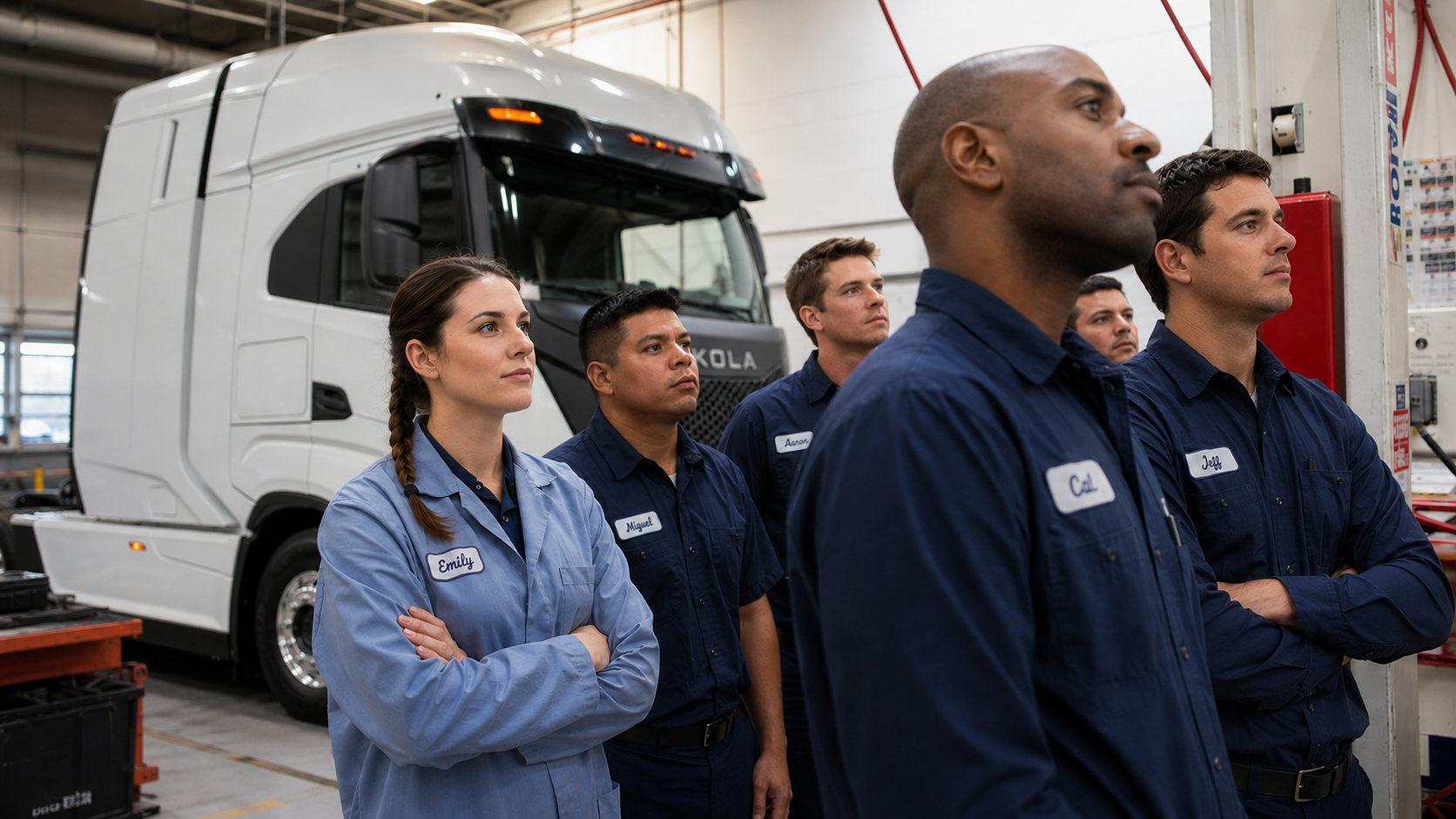
HEFT welcomes inquiries from organizations that want hands-on learning from a clean transportation vehicle for education, training, demonstration, public benefit, or to better understand what it takes to operate and maintain one in a fleet.
This program is not for individual test drives or personal vehicle use. It is intended for organizations with a clear educational, workforce, operational-learning, or public-benefit purpose.
You should reach out if your organization wants to use a vehicle to help people learn, train, compare technologies, understand operations, or explore clean transportation in a real-world setting.
Help Make Clean Transportation More Tangible
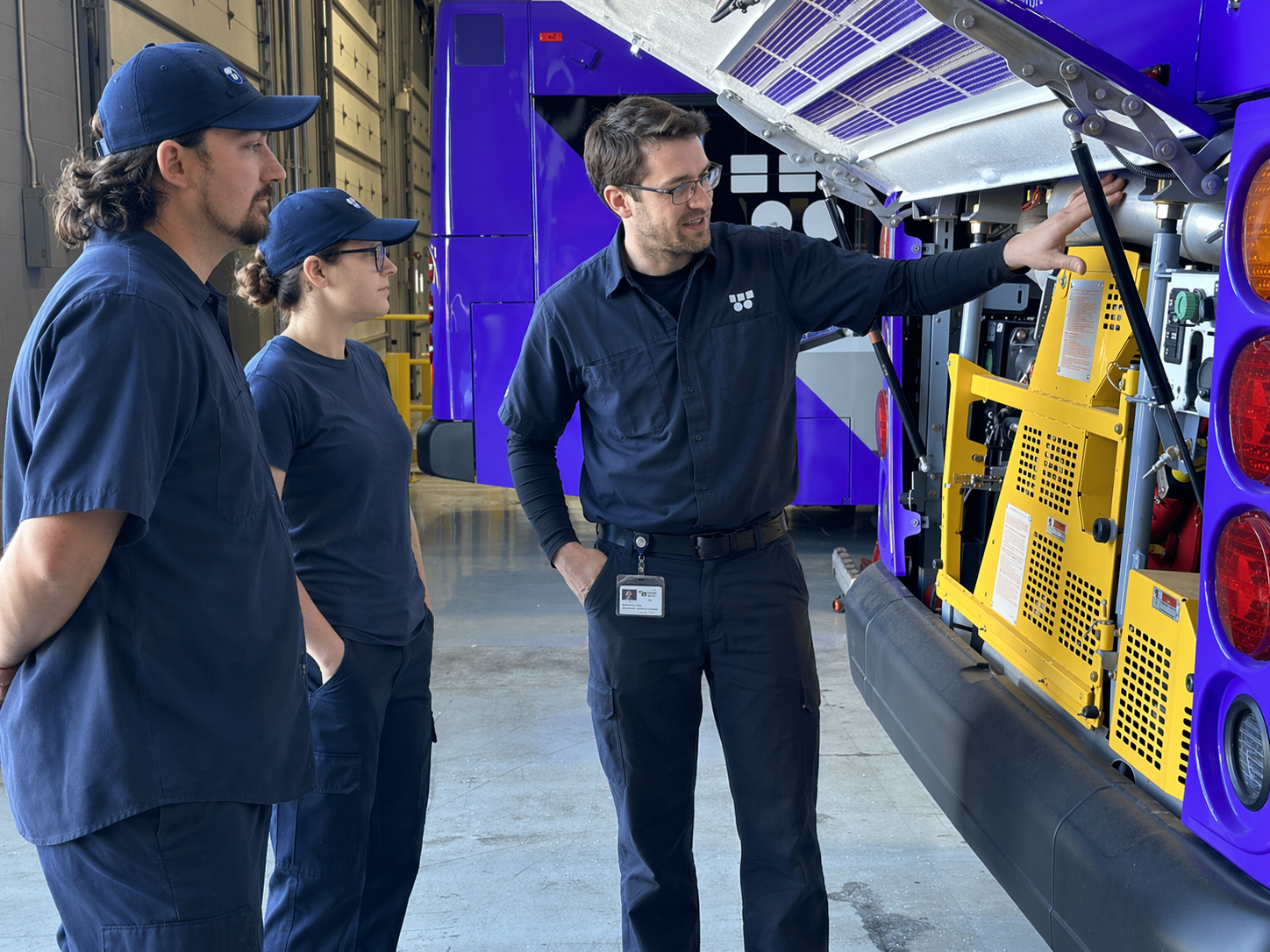
Vehicle programs help turn clean transportation from an abstract idea into something people can see, study, discuss, and understand.
Whether you have a vehicle to donate, represent an organization interested in using one, or want to support HEFT’s work, we welcome the conversation.