
Workforce Readiness
Helping Future Workers Understand What Comes Next
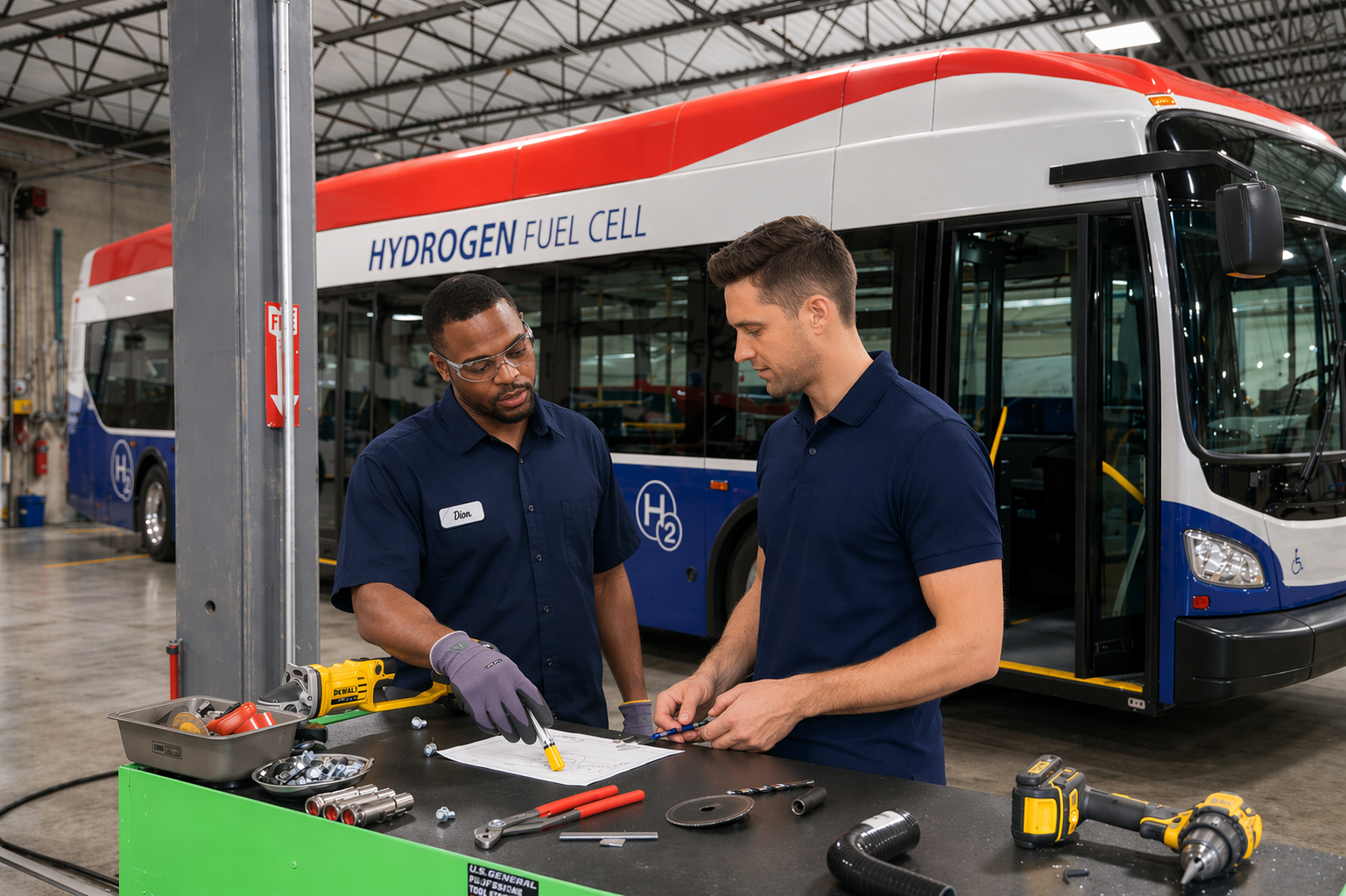
HEFT supports workforce readiness by helping students, technicians, instructors, drivers, fleet staff, and future workers better understand hydrogen and clean transportation technologies.
Our work adds context, exposure, and practical learning around real vehicles and clean transportation assets so technical training can connect to the larger purpose behind the work.
Readiness Starts With Understanding
Clean transportation is changing the skills, systems, and questions that future workers will encounter.
Technicians may need to understand high-voltage systems, hydrogen fuel cells, battery-electric drivetrains, diagnostics, charging, fueling, safety procedures, software-supported vehicles, and new maintenance requirements. Drivers, fleet managers, instructors, and public agencies may need to understand how these vehicles operate, where they fit, and what it takes to support them in the real world.
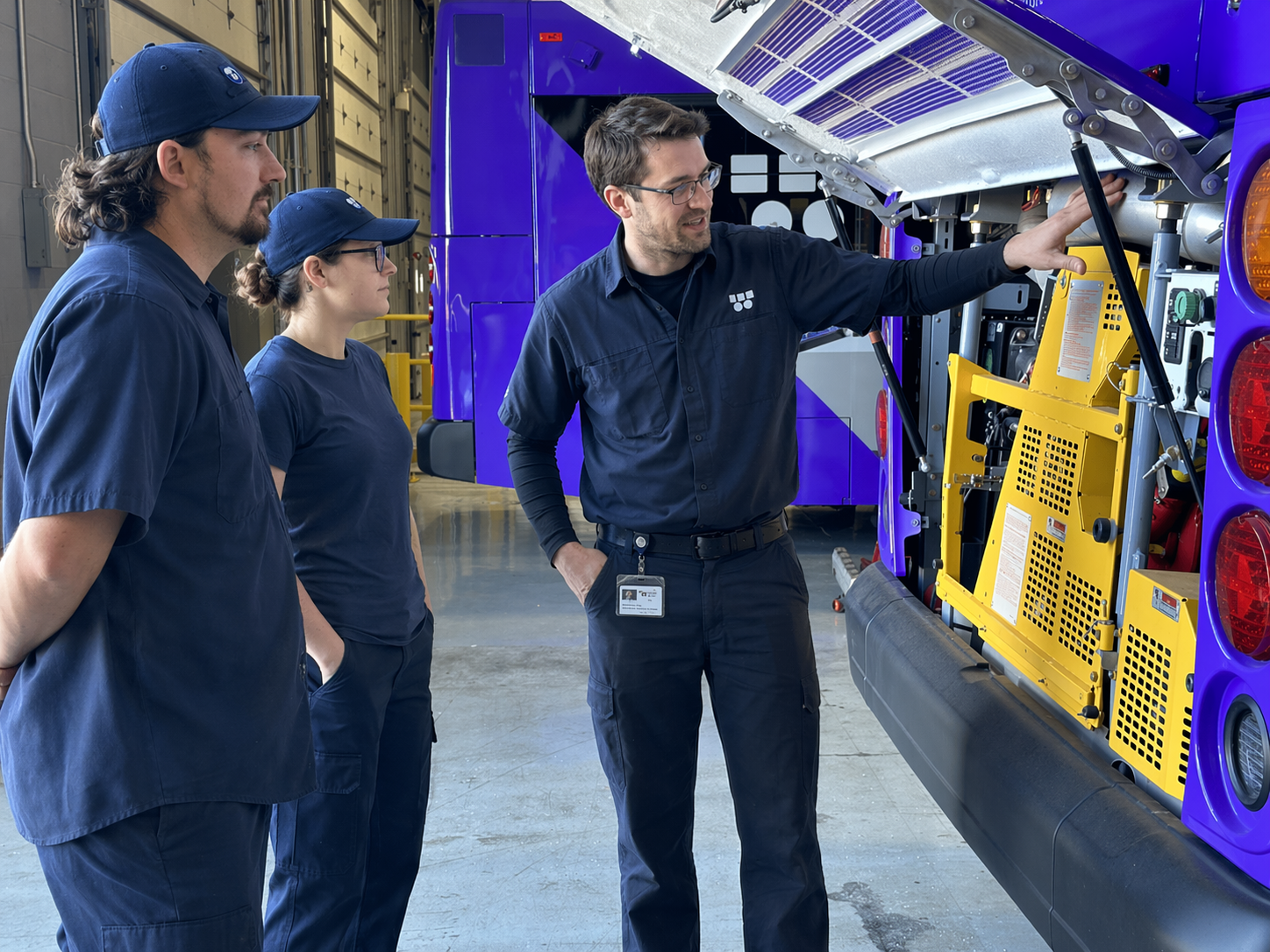
HEFT helps workforce partners add the broader context around those technologies: why clean transportation matters, what problems it is trying to address, what tradeoffs different technologies involve, and how students and workers can see themselves in the transition.
The “Why” Behind Clean Transportation
Connecting Technical Training to Real-World Purpose
Many technical programs already teach students how vehicles work and how to service them. HEFT’s role is different.
We help explain the “why” behind clean transportation.
That includes air quality, public health, emissions, infrastructure, vehicle use cases, community benefit, technology comparison, fleet operations, and the practical realities that come with hydrogen fuel cell, battery-electric, hybrid, and other clean transportation systems.
When students understand the larger context, the technical training can become more meaningful. They are not just learning a system. They are learning where that system fits, why it matters, and what questions they may need to answer in the field.
How HEFT Supports Workforce Readiness
Exposure, Context, and Practical Learning
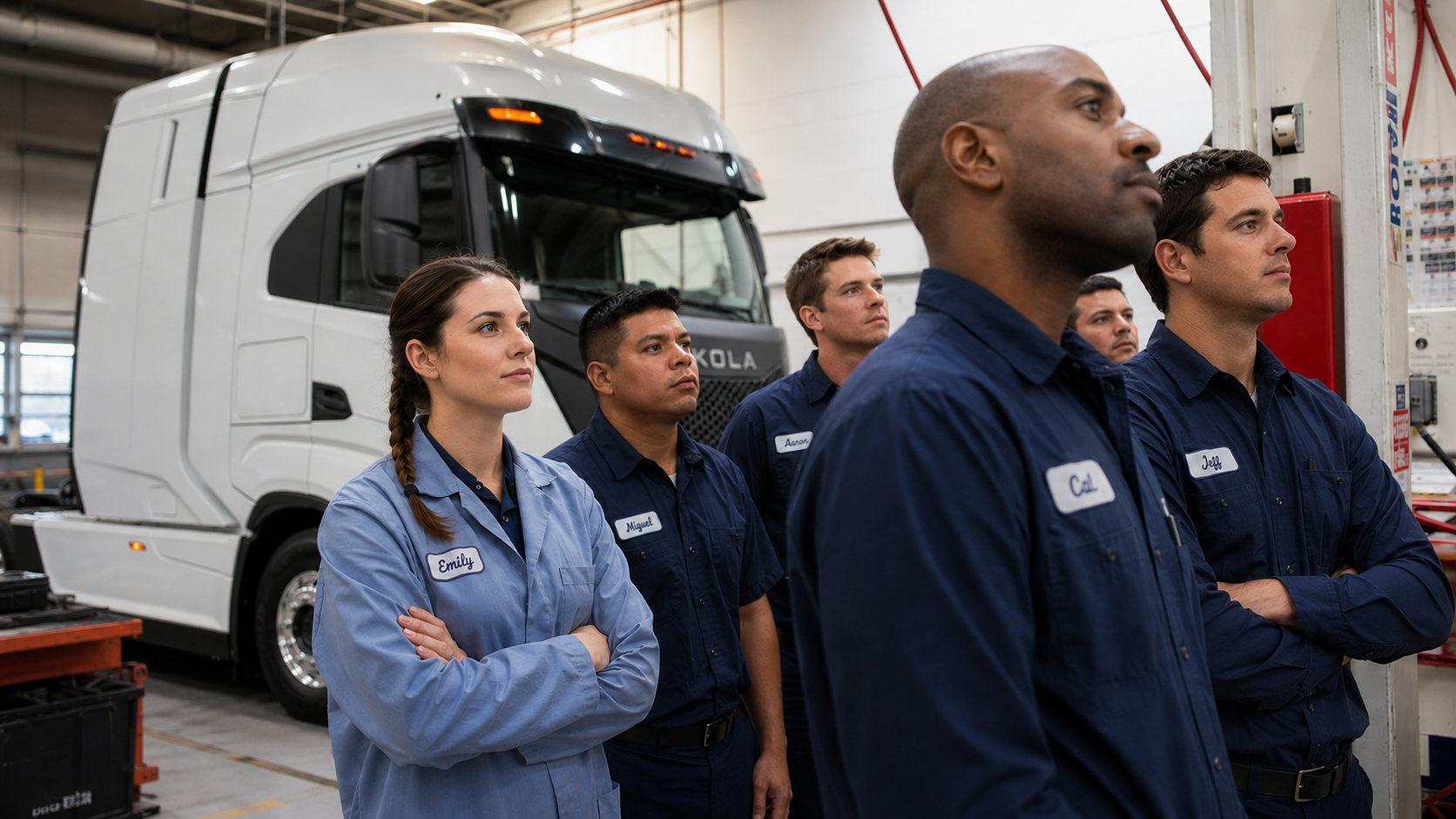
HEFT supports workforce readiness by helping connect clean transportation technology to real-world learning environments.
This includes:
Classroom presentations
Vehicle guides and learning materials
Guest instruction or discussion sessions
Vehicle-based learning support
Demonstration planning
Partner coordination
Clean transportation topic overviews
Public-benefit and community context
Support for technical and workforce programs
HEFT does not replace manufacturer training, technical-school curriculum, safety procedures, or professional instruction. Instead, we add an educational layer that helps students and future workers understand the broader context around the vehicles and technologies they may encounter.

Vehicle-Based Learning
Real Vehicles Make Readiness More Tangible
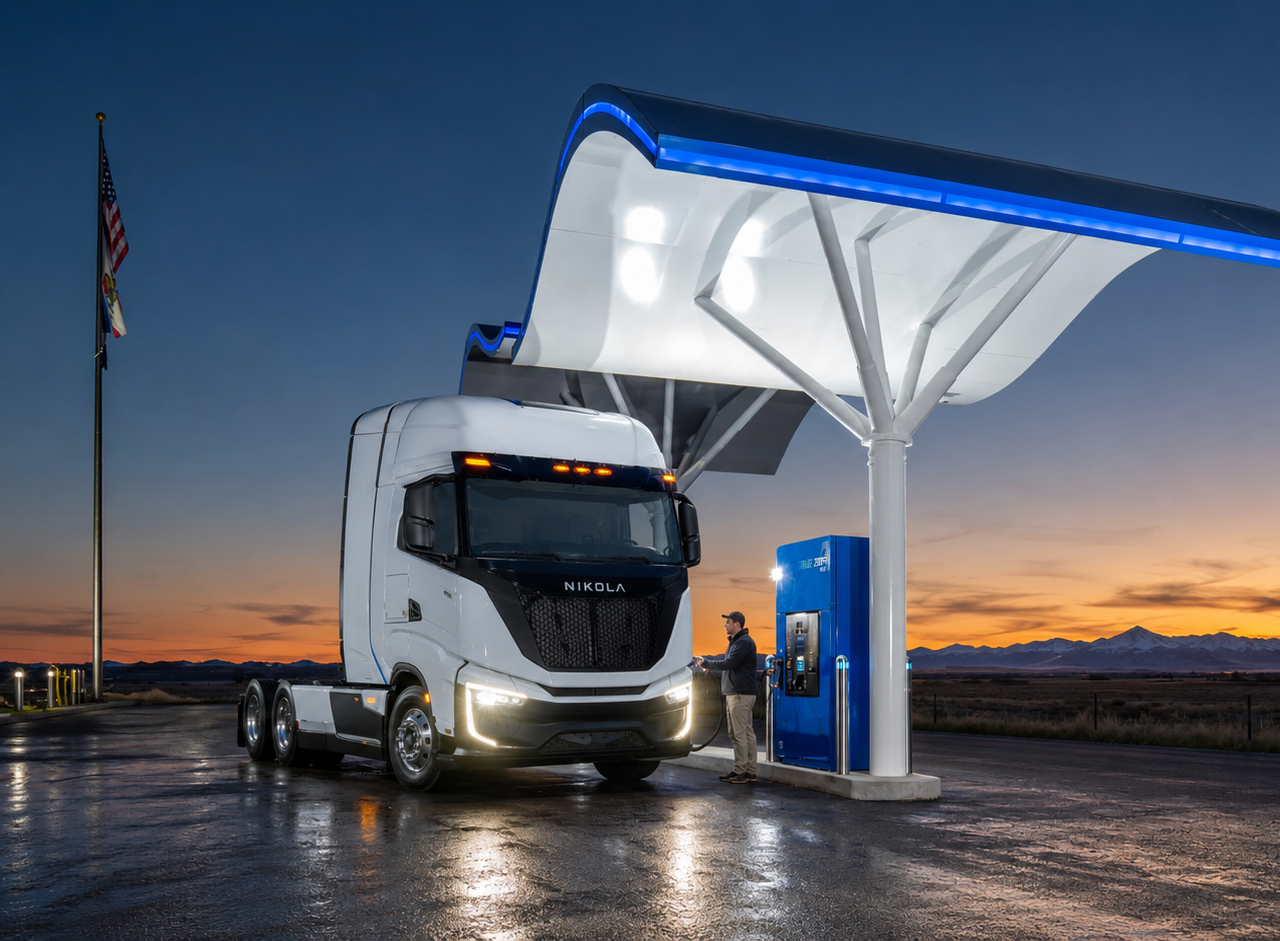
A real vehicle gives students and instructors something to see, examine, question, and discuss.
Vehicle-based learning can help students understand how clean transportation technologies move from diagrams and lectures into physical systems, real components, operating decisions, maintenance needs, safety requirements, and fleet considerations.
Through HEFT’s vehicle placement program, donated vehicles and related assets can support education, technical exposure, public-benefit demonstration, and workforce learning.
What Students and Workers Need to Understand
Clean Transportation Requires More Than One Skill Set
Workforce readiness in clean transportation is not only about one vehicle, one fuel, or one technology.
No single worker needs to know everything at once. But early exposure helps students ask better questions, build confidence, and understand the range of opportunities emerging around clean transportation.
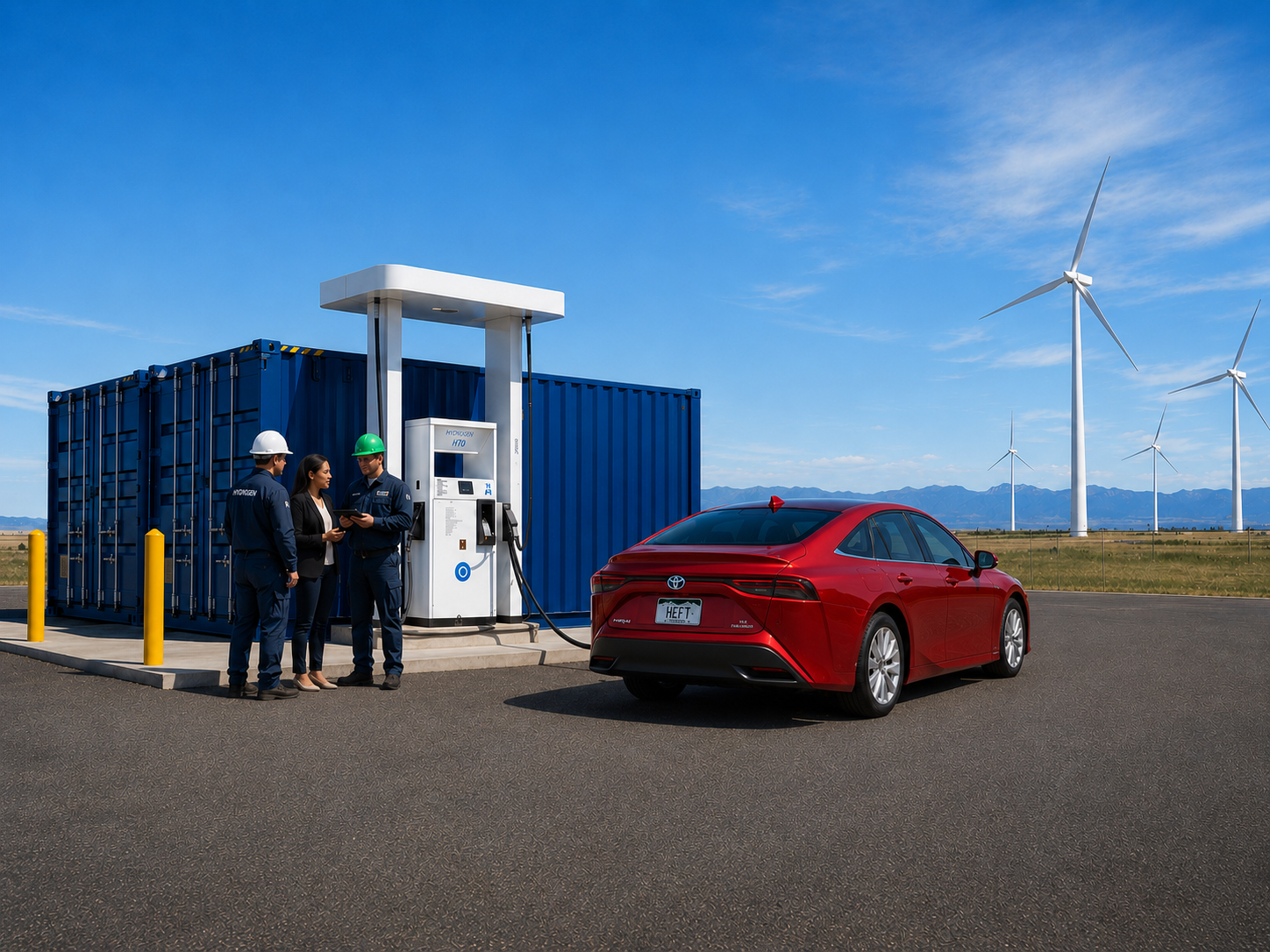
Future workers may need to understand:
Hydrogen fuel cell vehicles
Battery-electric vehicles
Hybrid and plug-in hybrid systems
High-voltage safety basics
Hydrogen fueling and storage concepts
Charging and fueling infrastructure
Electric drivetrains and regenerative braking
Diagnostics and connected vehicle systems
Maintenance and service considerations
Fleet operations and uptime
Energy sources and lifecycle emissions
Why It Matters
Prepared Workers Help Make Progress Practical
Clean transportation depends on more than vehicles and infrastructure. It also depends on people who understand how these systems work, why they matter, and what it takes to use them responsibly.
A prepared workforce can help communities, fleets, schools, public agencies, and industry partners move from interest to practical implementation.
HEFT supports that progress by helping make clean transportation easier to understand, easier to teach, and easier to connect to real-world opportunity.
Interested in Workforce Readiness Support?
HEFT welcomes conversations with schools, colleges, workforce programs, public agencies, fleets, nonprofits, and partners interested in clean transportation education and workforce readiness.