
Education
Making Clean Transportation Easier to Understand
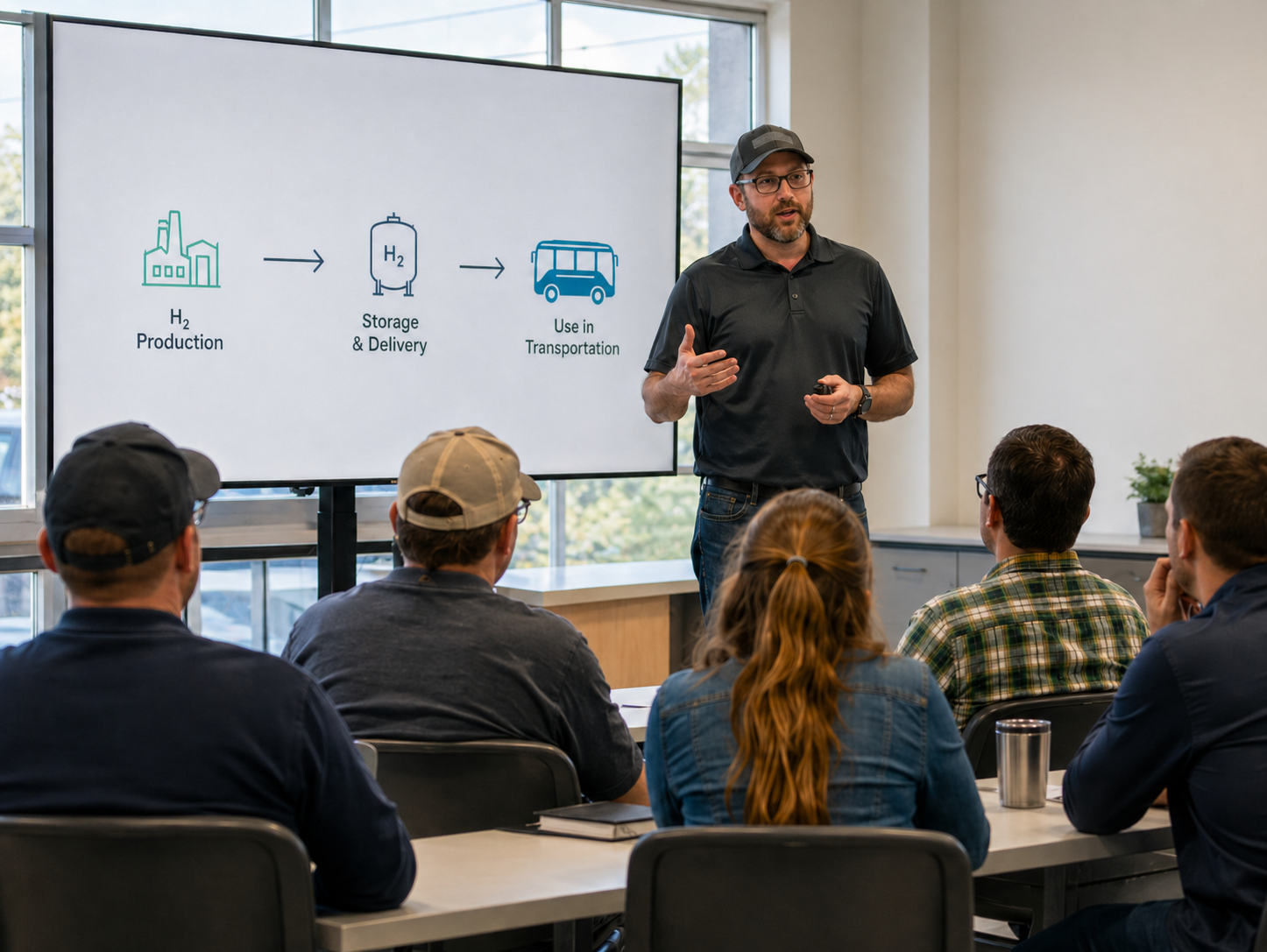
HEFT helps people understand hydrogen and clean transportation in clear, practical language.
Through learning materials, presentations, workshops, vehicle guides, and public-facing resources, HEFT helps make emerging transportation technologies more accessible to students, educators, workforce programs, fleet partners, public agencies, donors, and communities.
Understanding Comes First
Clean transportation is changing quickly. Hydrogen fuel cells, battery-electric vehicles, charging, hydrogen fueling, high-voltage systems, renewable fuels, fleet planning, lifecycle emissions, and vehicle maintenance all raise practical questions.
For many people, the barrier is not interest. It is access to clear information, real examples, and trusted context.
HEFT helps close that gap by creating educational resources that explain what these technologies are, how they work, why they matter, and where they may fit.
What HEFT Helps Explain
Clear Learning for Complex Topics
HEFT’s educational work is designed to make clean transportation understandable without oversimplifying it.
We help explain topics such as:
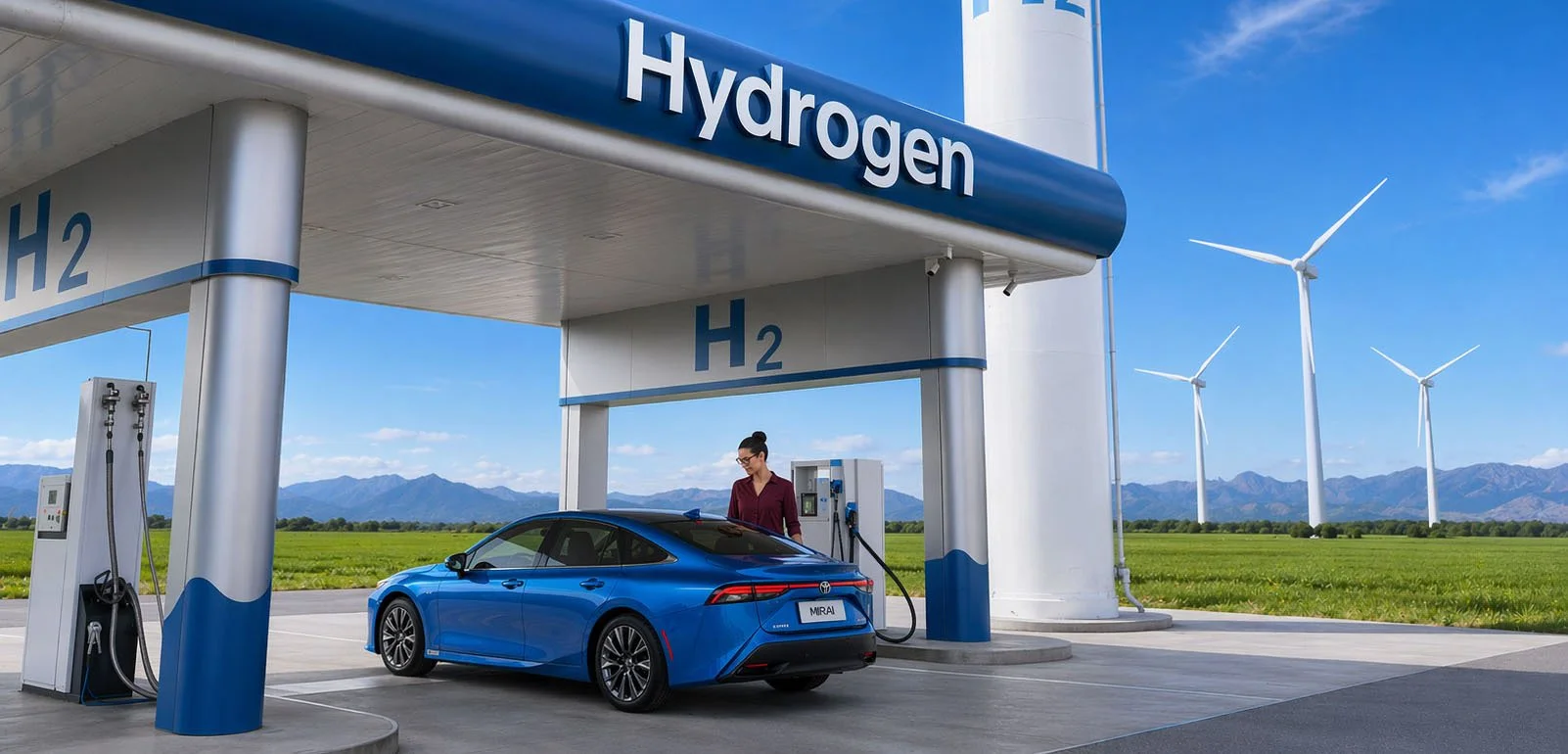
Hydrogen and fuel cell basics
Battery-electric and fuel cell electric vehicles
Clean transportation benefits and tradeoffs
Charging, fueling, and infrastructure needs
Vehicle systems and energy flow
Tailpipe emissions and lifecycle emissions
Heavy-duty, light-duty, and fleet use cases
Safety, maintenance, and operational considerations
Public benefit and community impact
This approach comes directly from HEFT’s role as an educational organization. In the Nikola vehicle guide, HEFT describes its role as adding “an educational layer around real vehicles and real clean transportation assets” so they can support public understanding, workforce exposure, and informed discussion.
Educational Materials
Resources That Support Real-World Learning
HEFT creates educational materials that help people connect clean transportation concepts to real vehicles, real communities, and real decisions.
These materials include:
Vehicle guides
Classroom handouts
Presentation materials
Public workshop content
Digital learning resources
Resource links and reading lists
Program or placement case studies
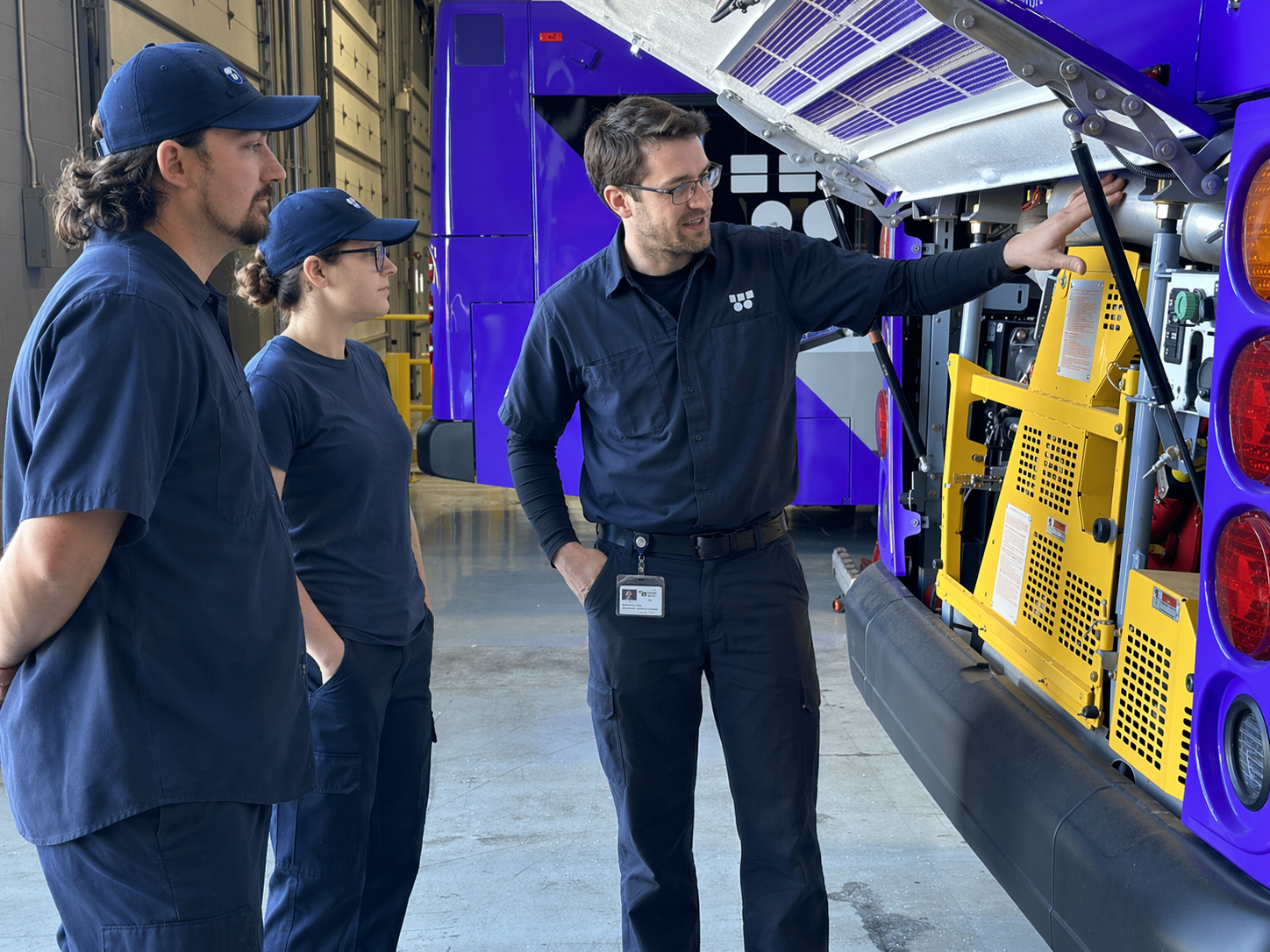
When HEFT places a vehicle, educational materials can help explain what the vehicle is, how the technology works, why clean transportation matters, and what students, instructors, technicians, fleet partners, and community members may want to understand.

Presentations and Workshops
Bringing the Conversation into Classrooms and Communities
HEFT can support education through presentations, workshops, classroom visits, public events, and partner programs.
These sessions can help audiences move from basic awareness to practical understanding. They can also help students and future workers connect technical learning to the larger “why” behind clean transportation.
That “why” matters. Clean transportation is not just about new vehicles. It is about air quality, public health, infrastructure, workforce readiness, community benefit, operational tradeoffs, and the practical choices that organizations and communities will face as technologies change.

From Awareness to Readiness
Education is the foundation for the rest of HEFT’s work.
When people understand clean transportation more clearly, they are better prepared to ask useful questions, evaluate tradeoffs, explore training pathways, participate in demonstrations, and make informed decisions.
HEFT’s educational work supports:
-

Workforce Readiness
Students, technicians, drivers, fleet staff, and future workers need context for the technologies they may encounter in the field.
-

Demonstration
Real vehicles become more valuable when people understand what they are seeing, how the systems work, and why the technology matters.
-

Partnerships
Educators, nonprofits, fleets, public agencies, funders, and industry partners can do more together when they share a common understanding.
-

Public Benefit
Clear education helps communities better understand clean transportation opportunities, limitations, and potential impacts.
Interested in Education or Presentations?
HEFT welcomes conversations with schools, colleges, workforce programs, nonprofits, public agencies, community organizations, and partners interested in clean transportation education.